What Is Machine Translation? A Complete Guide to Automated Language Translation
Machine translation has transformed the way people and businesses communicate across different languages. This guide covers everything you need to know about how machine translation works, the types of machine translation available, where it's used, and how to build a strategy that balances speed with quality.

What is machine translation? (quick answer upfront)
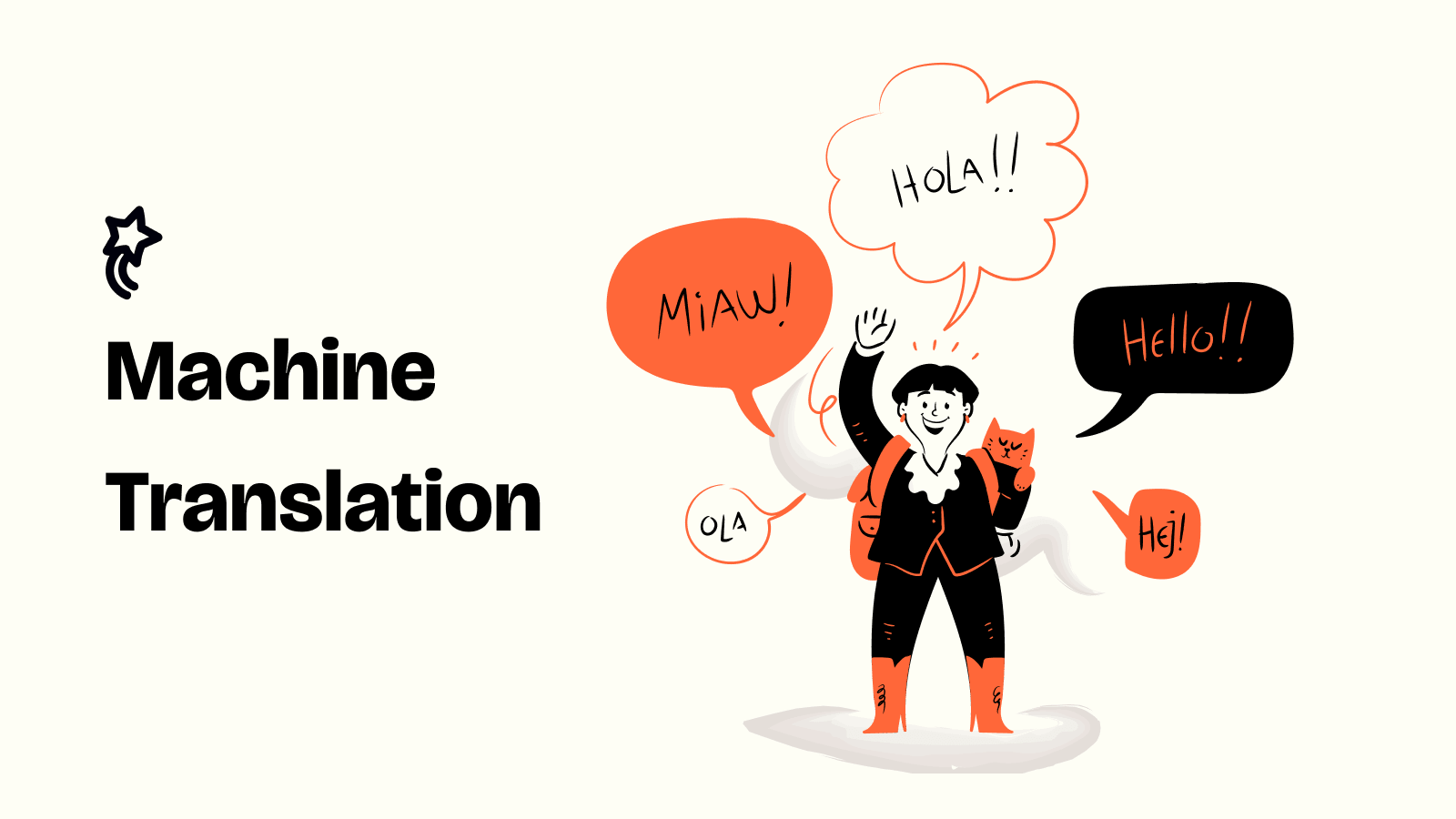
Machine translation is the use of computer software to automatically translate text or speech from one language into another, without relying on human linguists to do the work manually. Unlike human translation, which depends on cultural knowledge and creative judgment, machine translation uses artificial intelligence to translate text or speech at scale.
Modern machine translation primarily uses neural machine translation models and other AI-driven technologies. You'll find these powering tools like Google Translate, Microsoft Translator, and MixTranslate, each applying deep learning to produce translations across multiple languages.
In practical terms, machine translation converts written text or spoken language from a source language to a target language using algorithms, large datasets, and ai models instead of human linguists. Machine translation is a core component of natural language processing, the branch of AI that helps computers understand and generate natural languages.
Common applications of machine translation include website localization and customer support, along with quick translations of web pages, social media posts, travel phrases, and technical documentation. For example, a user could drop a paragraph of English marketing copy into MixTranslate's Spanish translator and instantly receive a Spanish version to review and refine.
MT is now a core part of global communication, but it's still most effective when combined with human translation and editing for high-stakes content.
Brief history of machine translation (1950s–2020s)
Machine translation has its roots in computational linguistics and early artificial intelligence research. Over seven decades, the field has shifted from rigid, hand-coded systems to flexible, data-driven neural methods. Machine translation has advanced significantly through generations of methods.
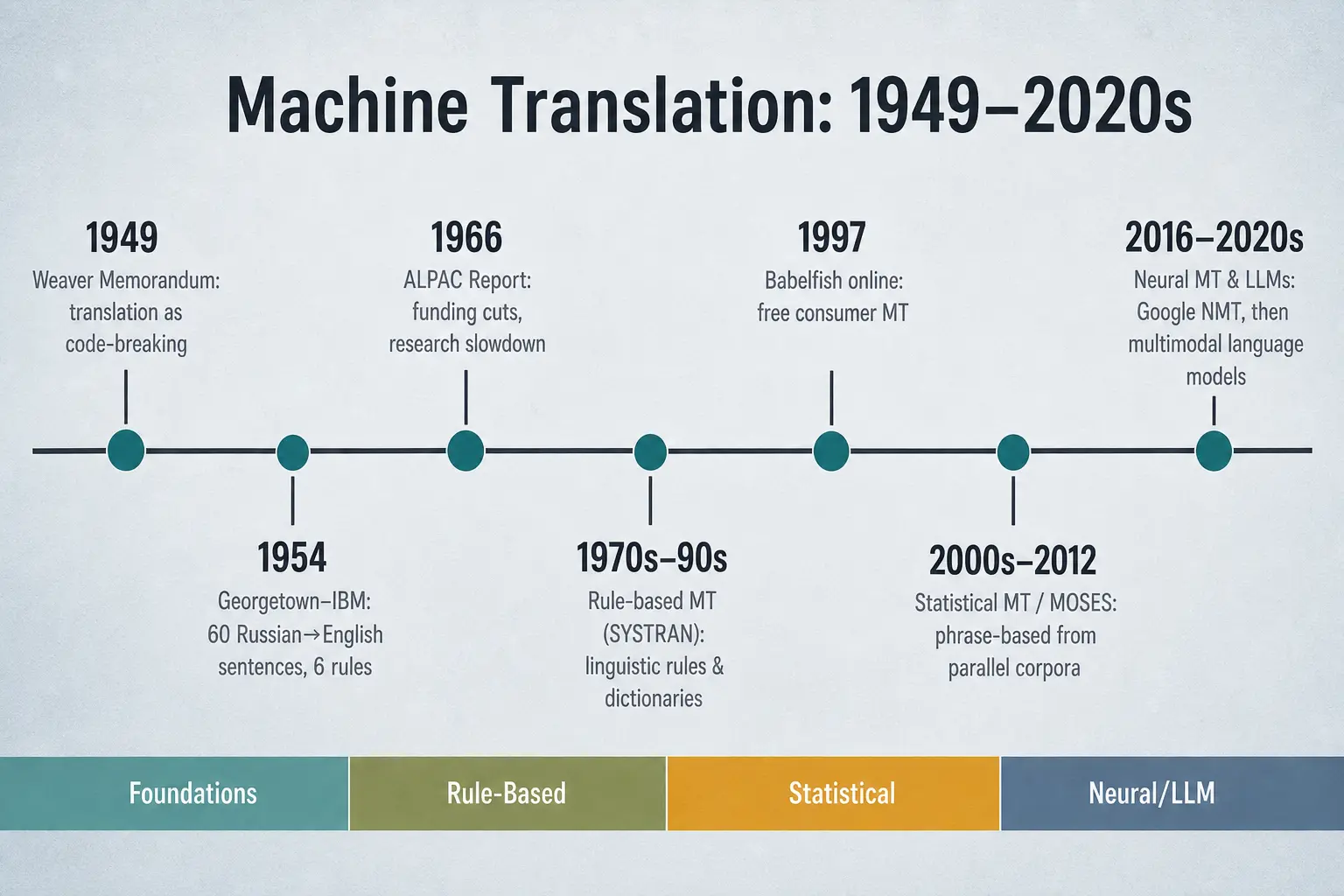
The idea first took shape in 1949 when Warren Weaver published a memorandum proposing that translation could be treated as a code-breaking problem. In 1954, the Georgetown–IBM experiment demonstrated translating about 60 Russian sentences into English using just six grammar rules, generating widespread optimism that fully automated translation was imminent.
That optimism was short-lived. The ALPAC report of 1966 criticized MT progress as expensive and insufficiently accurate, resulting in significant U.S. funding cuts that slowed research for over a decade.
Through the 1970s and 1990s, rule based machine translation dominated. Systems like SYSTRAN served the European Commission and U.S. government, relying on handcrafted linguistic rules and bilingual dictionaries. Rule-based machine translation uses linguistic rules and dictionaries to parse and transform text, which worked reasonably well for formal documents but struggled with everyday speech.
The late 1990s brought MT to consumers. AltaVista's Babelfish launched in 1997, giving millions of users their first taste of free automated translation online.
By the 2000s, statistical machine translation took over. Statistical machine translation analyzes existing human translations for patterns, learning phrase alignments from massive parallel corpora. The open-source MOSES system (2007) made phrase-based SMT widely accessible, and by 2012 Google's SMT engine was translating the equivalent of about one million books per day.
The mid-2010s marked another turning point: neural machine translation arrived. Google deployed its NMT system in 2016, and competitors followed. Today, large language models have further expanded what machine translation technology can do, powering translation alongside summarization, rewriting, and style adaptation.
Core concepts: machine translation vs. human and computer-assisted translation
There are three broad approaches to language translation technology: pure machine translation, human translation, and computer assisted translation workflows that blend both.
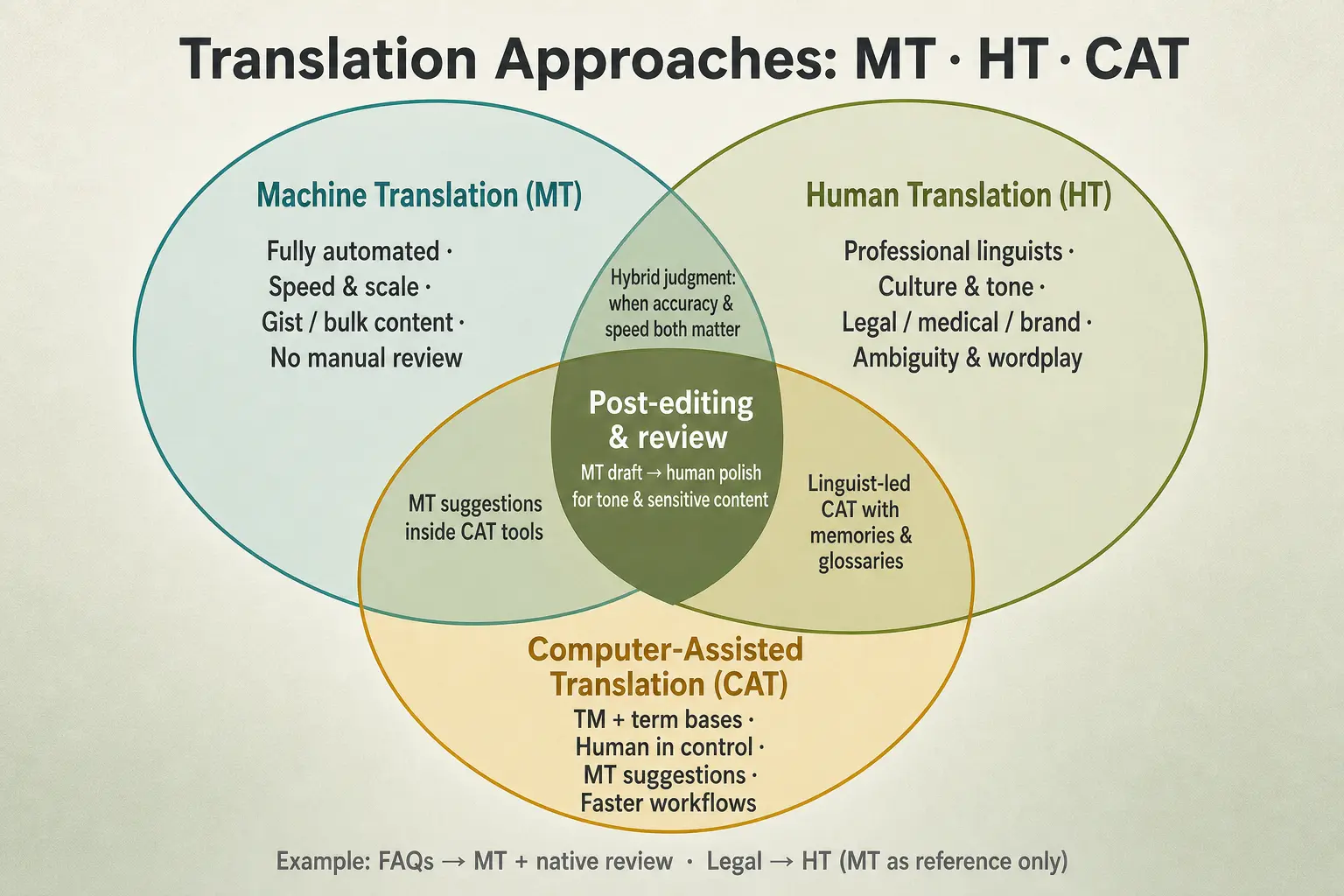
Human translation is performed by professional linguists who draw on cultural knowledge, subject-matter expertise, and creative judgment. Human translators are essential for resolving ambiguities in translations, particularly in legal, medical, and branding content where precision and tone matter enormously. Human translators resolve ambiguities that machines often miss, especially with wordplay, register shifts, and domain-specific terminology.
Pure machine translation means fully automated translation with less human involvement. Machine translation software processes input text and returns output without manual review. This works well when speed and scale matter more than perfection, like scanning foreign-language news or understanding the gist of user-generated content.
Computer assisted translation sits between these extremes. A human translator remains in control while using translation memories, term bases, and MT suggestions to work faster. The human brain handles nuance and cultural adaptation; the machine handles repetitive heavy lifting.
In practice, many organizations use MT output as a first draft, then apply post editing to fix grammar, tone, and domain-specific terms. Post-editing by humans is critical for tone consistency. Human involvement is essential for translating non-standard language accurately, and machine translation often requires human review for sensitive content.
Two quick examples: a support team might bulk-translate FAQs via MT across 30 languages, with native speakers reviewing before publication. A legal team, on the other hand, would insist on human translation, using MT only as a reference draft.
MixTranslate is designed for both individuals and teams who want fast MT plus the ability to compare outputs from multiple AI models before they or a human editor finalize the text.
How machine translation works (high-level overview)
At a high level, machine translation systems analyze source text, model its meaning and structure, then generate translations in a target language using algorithms and data. Understanding context is crucial for effective machine translation output.
The foundation is training data. During training, MT systems consume large parallel corpora: collections of aligned sentences in two or more languages. These might include official translated documents, subtitle databases, or news articles. Models used in machine translation can learn from large datasets to improve over time, adjusting internal parameters to better capture how languages correspond.
A machine translation engine is the computer software that processes input text, segments it into manageable units, applies its learned models, and outputs a hypothesis translation. Early engines relied on grammar rules and bilingual dictionaries. Statistical methods introduced probability-based approaches. Modern machine translation uses deep learning and neural networks to go far beyond word-for-word substitution.
Neural machine translation looks at entire sentences for context rather than word-by-word, learning patterns of grammar, word choice, and meaning across entire passages. AI translation tools can improve output by providing context, which is why giving the system more surrounding text often produces better results.
After training, inference happens quickly. The model uses its learned parameters to generate translations for new, unseen sentences in near real-time. Some platforms, including MixTranslate, combine or compare multiple MT engines and AI models, then select or recommend the best output based on quality metrics.
For speech translation, an automatic speech recognition component first converts spoken language to written text, then MT translates the text, and optionally text-to-speech renders it in the target language. This pipeline enables real-time translation of spoken language in travel apps and video calls.
Main types of machine translation approaches
Machine translation has evolved through several paradigms. Not all types of machine translation are created equal, and understanding the differences helps you choose the right approach.
Rule-based machine translation (RBMT) relies on linguists writing grammatical, morphological, and syntactic rules for each specific language pair, alongside large bilingual dictionaries. Strengths include high control and explainability. Weaknesses include rigidity, expensive maintenance, and struggles with idioms and non-standard speech. This machine translation type is mostly obsolete for general consumer use.
Statistical machine translation (SMT) uses statistical methods to learn from large corpora of existing human translations, estimating probabilities of word and phrase alignments. Phrase-based machine translation became the dominant form in the 2000s. Statistical machine translation requires millions of words for accuracy, and its phrase-level focus creates difficulty modeling long-range context, sometimes producing choppy or literal-sounding output.
Neural machine translation (NMT), or neural machine translation nmt, uses neural networks-typically encoder-decoder architectures with attention mechanisms and Transformer-based neural networks-to model entire sentences. Neural machine translation employs neural networks for improved accuracy, capturing more natural phrasing and context than earlier approaches. Neural mt handles word sense disambiguation and long-distance grammatical dependencies far better than SMT.
Hybrid and ensemble systems combine approaches. Hybrid machine translation combines multiple translation models for better results, such as pairing rule based constraints with neural flexibility, or running several neural engines and using consensus to reduce individual-model errors.
Two less common paradigms are worth noting. Transfer-based machine translation uses an intermediate representation for translation, analyzing source text into an abstract structure before generating the target. Interlingual machine translation translates through a language-neutral representation, theoretically enabling translation between any language pair through a single interlingua. Both informed early research but are rare in modern machine translation.
Recent LLM-based machine translation works similarly to NMT but uses larger, general-purpose AI models. Example based approaches also exist, matching new input against stored translation examples.
Neural machine translation and AI models in depth
Neural machine translation nmt and LLM-based machine translation are now the industry standard for most language pairs and domains. Here's how they work under the hood.
A neural network is a system of layered, interconnected nodes that learn patterns by adjusting internal weights during training on massive datasets. Each layer extracts increasingly abstract features from the data: words become meanings, meanings become relationships.
In the encoder-decoder architecture, the encoder reads the source text and converts it into a dense contextual representation. The decoder then generates the translated text token by token, using attention mechanisms to focus on relevant parts of the source at each step. This is what allows the model to produce translations that respect context, not just individual words.
Transformer-based models, first described in 2017, rely on self-attention mechanisms that let every token in a sentence interact with every other token simultaneously. This captures long-distance dependencies efficiently, enabling high-quality neural MT at scale.
Neural machine translation improves with large datasets and training. More diverse training data generally means better handling of rare words, complex grammar, and varied domains. Neural machine translation models improve fluency and context-aware translations compared to earlier paradigms.
Machine translation systems can process millions of words quickly once trained, making them practical for everything from real-time chat translation to batch processing of technical manuals.
However, challenges remain. NMT models can hallucinate (insert content not present in the source text), mistranslate named entities, and inherit biases from their training data. Quality drops sharply for low-resource languages where little parallel data exists.
MixTranslate addresses these issues by running the same source text through more than 20 advanced AI models side by side, comparing neural-based outputs, highlighting differences, and recommending the best candidate for a given tone or domain.
Where machine translation is used today
Machine translation supports everything from casual text translation to mission-critical business workflows, though quality expectations differ by use case.
On the consumer side, travelers use mobile apps to translate signage and menus, readers browse foreign-language news, and social media users automatically translate text from posts and comments in real time. Machine translation can effectively break down language barriers for global communication in these everyday scenarios.
In business and the public sector, MT drives website and app localization, user manuals, support knowledge bases, and internal communications across different countries. Machine translation can reduce costs compared to traditional human translation, especially for large volumes of repetitive content. Scalability is a major benefit of machine translation technology, letting teams produce translations across dozens of languages simultaneously.
Major institutional users like the European Commission have invested in MT for decades, progressing from rule based systems through statistical to neural MT for internal text translation and cross-lingual publishing.
Platforms like Wikipedia use MT suggestions to help contributors translate articles from one language into another, with human editors reviewing for accuracy and style.
Specialized domains include e-commerce product catalogs, customer support chatbots, gaming localization, and multilingual SEO content. Machine translation improves productivity in content localization workflows, providing first drafts that humans later refine. Common applications of machine translation include website localization and customer support, as well as translating technical documentation at scale.
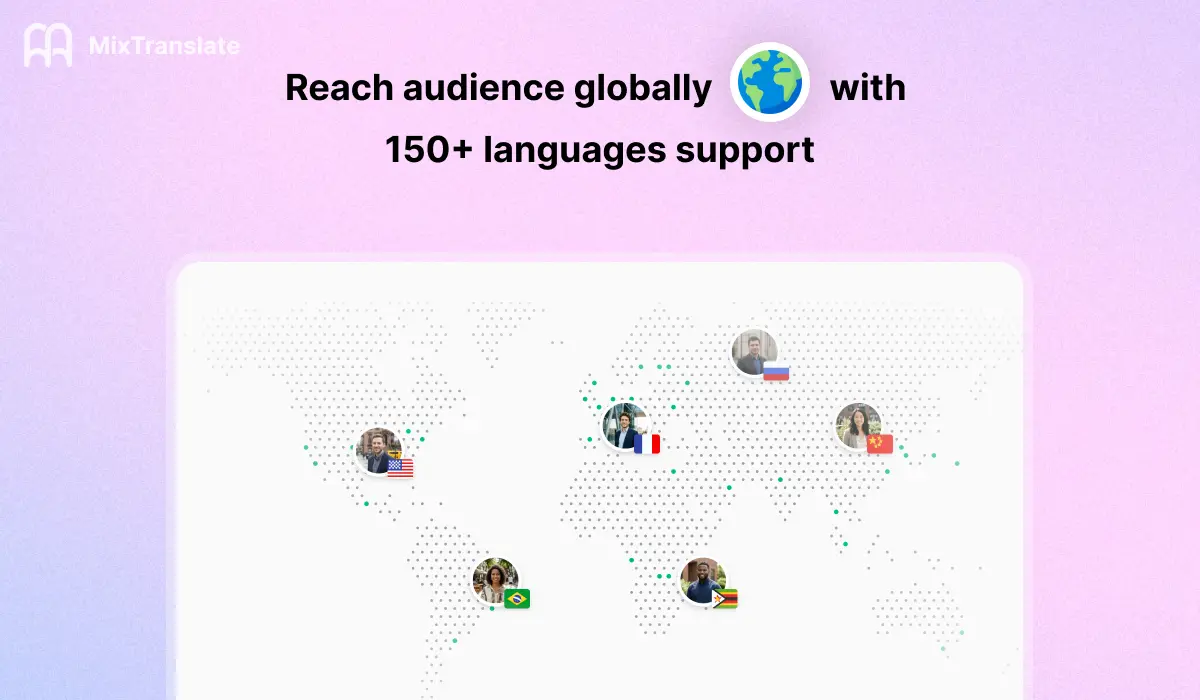
MixTranslate is a practical option for creators and teams who want to translate blog posts, documentation, UX copy, and marketing content into 150+ languages while preserving brand voice and controlling terminology.
Strengths and limitations of machine translation
Machine translation is powerful for speed and scale, but it still has important limitations compared to expert human translation. Here's a balanced look.
Key strengths:
- Very high speed: modern machine translation systems can process millions of words per day
- Low marginal cost per additional word once the system is trained
- Consistent handling of repetitive phrases in structured content like FAQs, technical manuals, and internal reports
- Ability to produce translations across dozens of language pairs simultaneously
MT excels on well-structured, unambiguous texts such as technical documentation, internal reports, and user-generated content where a gist is sufficient.
Key limitations:
- Machine translation is challenged by idioms, cultural references, and specialized language, often producing awkward or incorrect output
- Machine translation often fails to capture brand personality, defaulting to generic, neutral phrasing
- Machine translation struggles with non-standard language accuracy: slang, dialects, mixed-language posts, and colloquial speech frequently trip up even advanced systems
- Machine translation struggles with legal language precision, and medical translations can risk dangerous mistranslations
- Machine translation often fails with non-standard language, requiring human involvement for accuracy
- Machine translation lacks visual context for formatting accuracy, which matters when translating content embedded in images or complex layouts
- Inconsistent output occurs in low-resource languages where training data is scarce
- Low-resource languages yield inconsistent machine translation outputs, and low-resource languages yield inconsistent machine translation results even from top-tier engines
For sensitive or regulated content-legal contracts, medical records, financial disclosures-small inaccuracies carry serious consequences. Human translation or thorough post editing is non-negotiable here.
Tools like MixTranslate help mitigate weaknesses by allowing users to compare multiple AI outputs, adjust tone and terminology, and then have a human review critical texts before publication. When machine translation does not produce accurate translations on the first pass, having multiple options to choose from significantly improves output quality.
Machine translation in professional workflows (MT + human translation)
Most professional localization teams don't use MT alone. They integrate it with human expertise and structured workflows that define when and how the translated text gets reviewed.
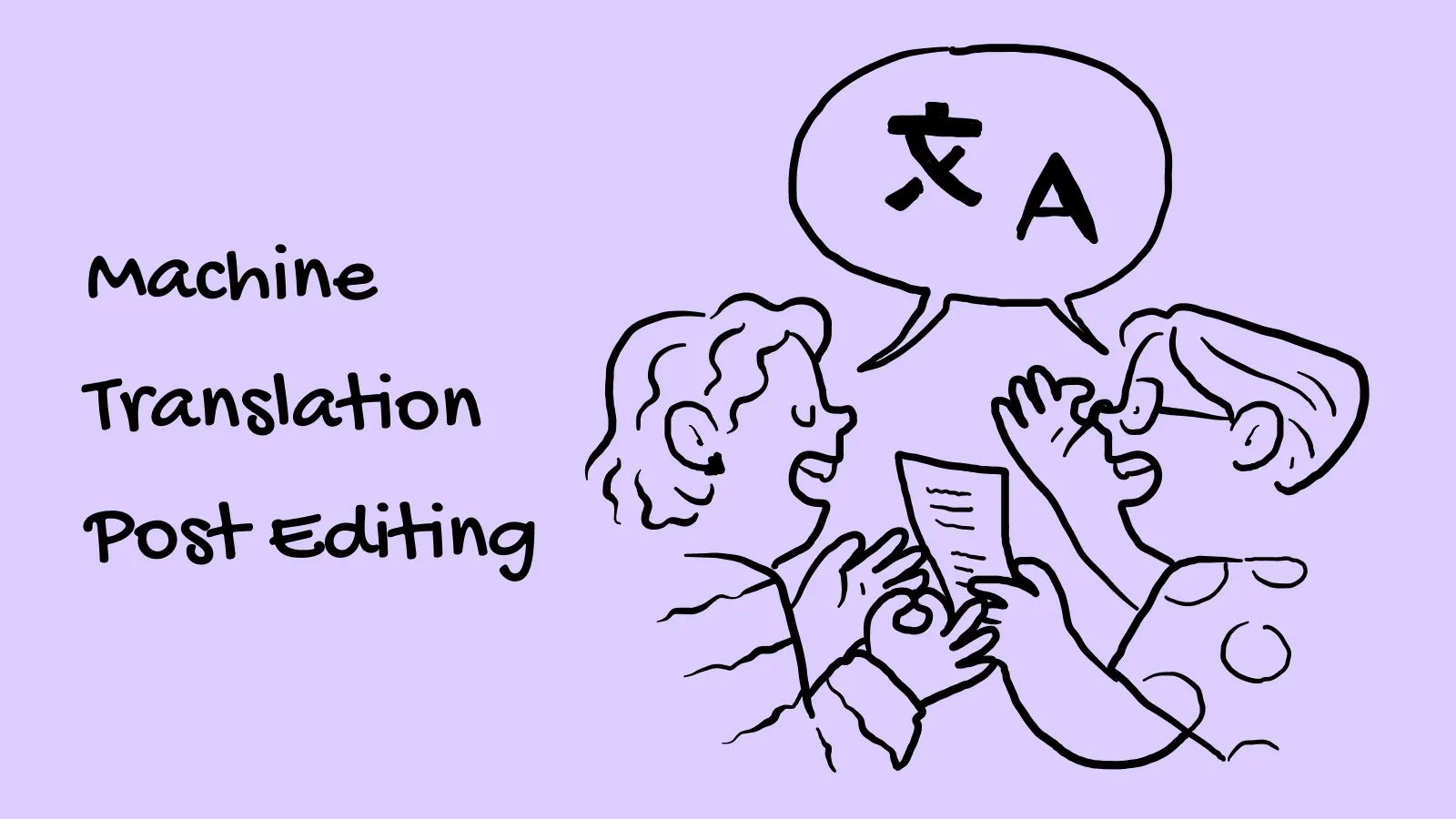
The core concept is machine translation post editing. Human linguists review machine-generated translations, correcting grammar, improving word choice, and ensuring the text sounds natural and on-brand. Post-editing by humans is critical for high-quality translations, and human editing improves machine translation accuracy significantly.
There are two levels of review:
| Level | Scope | Best for |
|---|---|---|
| Light post-editing | Fix obvious errors only | Internal documents, gist content |
| Full post-editing | Achieve publication-quality results | Marketing, external-facing content |
In a typical translation workflow, MT connects with CAT tools and translation memories. MT suggestions fill segments where no previous translation exists, while translation memory ensures consistency for repeated content across technical manuals and content management systems.
Professional translators often use MT as a productivity booster, especially for large volumes of repetitive content. The translation process speeds up, but the human remains responsible for quality.
Here's a concrete workflow: a marketing team drafts English product pages, runs them through MixTranslate to get multiple neural MT options, chooses the best candidate based on quality metrics and tone, then a native-language copywriter polishes the translated text before publication. Pre editing of the source text-simplifying complex sentences, removing ambiguity-also helps the MT engine produce better initial output.
A good MT strategy involves selecting appropriate content types, defining quality thresholds, and deciding where human review is mandatory. Machine translation often requires human review for sensitive content, and no amount of automation eliminates the need for human judgment on high-stakes material.
How modern tools like MixTranslate enhance machine translation
Not all machine translation tools are created equal. Some use a single engine; others orchestrate many AI models and add quality controls on top.
MixTranslate's core idea is straightforward: compare outputs from more than 20 AI and large language models side by side, then automatically recommend the strongest translation based on context, tone, and quality metrics. Instead of trusting a single machine translation engine, users see how different models handle the same source text and pick the best result.
Features that directly affect translation quality include:
- Tone and style control: switch between formal and informal, brand-safe and playful, ensuring the output matches your brand voice rather than defaulting to generic phrasing
- Terminology consistency: glossary and term management keeps key phrases like product names consistent across all translated content
- Quality scoring: automatic metrics help users perform a comprehensive evaluation of each output without reading every version manually
MixTranslate supports text translation into 150+ languages and includes image-to-text extraction, which is useful for translating screenshots, PDFs, and marketing assets where the original language content is locked inside an image.
Privacy is a real differentiator. MixTranslate claims no storage of user content for model training and zero data retention for translations-important for anyone handling sensitive documents or confidential business content.
The free credits model lowers the barrier to entry. Users can start translating immediately, testing multiple AI models on their own content before committing. This makes it practical for individuals, content creators, and small teams who want to experiment with different styles and model combinations.
MixTranslate is built for people who care about both speed and brand voice, not just raw output from a single generic translator.
Choosing the right machine translation strategy
Selecting MT is not just about picking a tool. It's about aligning machine translation work with your business goals, content types, and risk tolerance.
Key factors to consider:
- Language pairs: high-resource pairs (English–Spanish, English–French) produce far better results than low-resource pairs
- Subject matter: technical content translates more reliably than creative marketing copy
- Quality level: internal communication tolerates rougher output than public-facing product pages
- Audience: readers in different countries have different expectations for polish and cultural adaptation
Segment your content by risk level. For high-risk legal or medical content, prioritize human translation. For scalable user reviews or internal tickets, rely more heavily on automated translation. For marketing and UX, use MT plus human editing with strong control over terminology and tone.
Using multiple engines or AI models via a platform like MixTranslate, rather than betting on a single provider, reduces the chance of systematic translation errors. No single engine excels across all language pairs and domains.
Define clear workflows: who reviews what, what gets post-edited, how feedback is captured, and how glossaries and style guides are maintained across languages. A translation workflow should specify where human intervention is mandatory and where MT can operate with lighter oversight.
Start with a pilot. Pick a few languages and content types, measure translation quality using both automatic metrics and human evaluation, track editing time and user feedback, then adjust the balance between machine translation and human translation based on real data.
The most effective strategy is flexible, revisited regularly as machine translation technology and AI models continue to improve. Machine translation does exist at a level of quality that makes it indispensable, but strategy is what turns raw output into reliable communication.
Future of machine translation and emerging trends
NMT quality continues to improve year over year, and LLM-based translation is blurring the line between a dedicated translator and a general-purpose language assistant.
Multimodal translation is expanding fast. Systems now integrate text, speech, and images-translating text extracted directly from photos or video captions-improving real-time communication and accessibility for users who work with spoken language, written text, and visual media simultaneously.
Progress in low-resource languages is accelerating through transfer learning, multilingual models, and community-driven datasets. Research shows that data augmentation techniques like back-translation and sentence concatenation can yield 25% or greater BLEU improvements in African languages, though gaps remain significant compared to high-resource pairs.
Domain adaptation and personalization are becoming standard. Fine-tuning MT systems for specific industries, brands, and tones-using glossaries, style guides, custom training data, and user feedback loops-produces output that actually matches a specific language register and brand identity.
On-device and privacy-preserving MT is another trend. More efficient neural networks can run partly on user devices, keeping data local. Strict data handling policies, like those used by MixTranslate, reflect growing demand for secure processing in regulated and business environments.
Ethical and legal questions are gaining attention: authorship of machine-translated works, copyright of training data, and transparency about when MT is used in sensitive contexts all need clearer frameworks. Recent research also shows that popular benchmarks may overestimate real-world quality, pushing the field toward more honest evaluation.
MT has evolved from rigid rule-based systems to powerful neural networks and AI models. It's indispensable for global communication, and it delivers the best results when combined with thoughtful strategy and human judgment-supported by tools like MixTranslate that give you control over quality, tone, and privacy from the start.